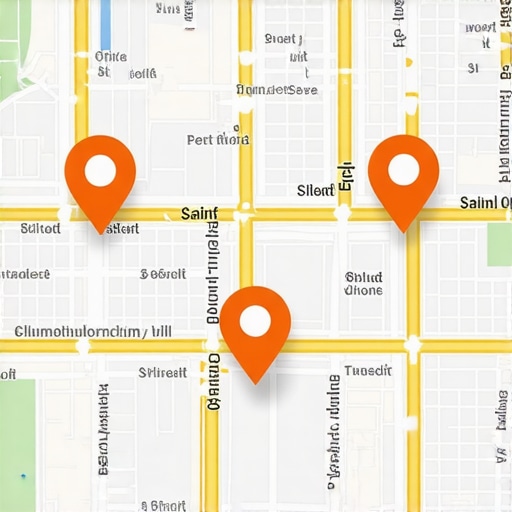
I remember the sinking feeling in my stomach when I checked Google Maps one morning and realized my Saint Paul business was nowhere to be found. Despite years of effort, quality service, and a loyal clientele, I was invisible on the map—an essential danger zone for local visibility. That lightbulb moment made me realize: if I didn’t fix the errors holding me back, I’d stay lost in the digital fog, missing out on countless local customers.
Why Your Saint Paul Business Might Vanish From Google Maps in 2026
In the fiercely competitive landscape of Saint Paul, Minnesota, local visibility isn’t just helpful—it can make or break your business. Google Maps is the heartbeat of local search, guiding people right to your door or past it. Yet, many shops, even those committed to providing great service, find themselves slipping off the map without realizing why. The reasons are often rooted in common mistakes that are easily fixable with targeted strategies.
Imagine the frustration: you’re pouring resources into marketing, but your profile still doesn’t get the attention it deserves. According to recent studies, nearly 70% of consumers use local search to find shops and services, and they trust Google Maps rankings just as much as personal recommendations.
Early in my journey, I made a costly mistake: I assumed my Google My Business profile was set up correctly because I had claimed it. Wrong. Without ongoing optimization and understanding of Google’s ever-evolving algorithm, my profile was invisible to many potential customers. That lesson taught me that proper GMB setup isn’t a one-and-done task; it’s an ongoing process requiring attention and updates.
If you’ve faced similar struggles—missing from searches, losing local clicks, or falling behind competitors—know that you’re not alone. The good news? Most of these issues are fixable, and I’m here to guide you through the common errors sabotaging your visibility. Together, we’ll explore the critical mistakes to avoid and show you how to dominate local search with confidence.
Are You Falling Victim to These Common Google Maps Pitfalls?
Claim and Verify Your Business Profile Promptly
Start by claiming your Google My Business (GMB) listing if you haven’t already. This process is like planting a flag on digital territory; it establishes your presence. When I first claimed my shop’s GMB, I made the mistake of skipping verification, thinking it was enough. Later, I realized that verification is like proving ownership—it unlocks the full controls needed to optimize your profile. To verify, Google typically offers options like postcard, phone, or email verification. Use the postcard method for accuracy and security. Once verified, review all business details—name, address, phone number (NAP)—to ensure they match your website and other listings, preventing confusion that hampers rankings. For a detailed walkthrough, check out our comprehensive guide on GMB optimization.)
Optimize Your Business Information with Precision
Accurate and comprehensive business info is the backbone of local SEO. Think of your NAP data like address labels; inconsistent labels put Google on alert that your business might be elsewhere. Use consistent, exact information across all platforms—website, directories, and social media. Incorporate relevant keywords into your business description, focusing on what local customers search for. For example, if you’re a bakery specializing in gluten-free options, mention that clearly. Adding categories that accurately describe your services enhances your profile’s relevance. Don’t forget to update your service hours, especially during holidays or special events, so customers don’t get misled. This step is like tuning a radio—precise, consistent signals improve your chances of being heard clearly in local searches.
Harness Photos and Videos to Capture Attention
Visual content significantly impacts local engagement. High-quality photos of your storefront, interior, and products act as virtual shop windows. I once added focused images of my best-selling pastries, and within weeks, calls and visits increased. Use natural lighting and professional angles, keeping images fresh and relevant. Video tours of your store or behind-the-scenes clips foster trust and personality. Google favors active profiles, so regularly update visuals to reflect seasonal changes or new offerings. This not only attracts more clicks but also boosts your ranking, making your business more prominent than competitors with stale profiles.
Leverage Keyword-Driven Descriptions and Posts
Craft your business description with target keywords, but keep it natural and engaging. Instead of generic phrases, use location-specific terms and popular search queries. For example, instead of “best coffee shop,” write “Top coffee shop in Saint Paul offering handcrafted brews.” Use posts to highlight special offers, new products, or upcoming events, incorporating keywords naturally. Consistent posting shows Google your active presence and relevance. I experimented with weekly updates about local events I sponsored, which led to upticks in local search visibility. Think of these posts as digital storefront signage—if they’re current and relevant, they attract passersby—both online and in person.
Encourage and Manage Customer Reviews
Reviews are social proof and directly influence local rankings. Actively solicit feedback from satisfied customers—politely and without pressure. When I began asking happy clients to leave reviews, I noticed a steady climb in profile visibility. Respond promptly to all reviews, positive or negative, demonstrating engagement. Use keywords in your responses when appropriate, but keep tone friendly. A surge of authentic positive reviews signals to Google that your business is reputable and relevant. For consistency, create a review collection system—perhaps after purchase or service—making it easier for customers to share their experiences.
Track Performance and Adjust Accordingly
Use insights from Google My Business dashboard and third-party tools to monitor your visibility metrics, search performance, and customer engagement. This analytics feedback loop helps identify what’s working and what needs improvement. For instance, I analyzed weekly data and increased focus on high-performing keywords, which improved my local pack rankings. Regularly updating your profile based on these insights is vital—think of it as tuning a musical instrument for optimal sound. Over time, this data-driven approach enhances your local SEO efforts, keeping your Saint Paul business on the map in 2026 and beyond.Many local businesses in Saint Paul believe that claiming and optimizing their Google My Business (GMB) profile is enough to dominate local search rankings. However, in my experience, this is a misconception that can lead to significant missed opportunities. The real nuance lies in understanding the complex, evolving nature of Google’s local algorithm, which goes far beyond surface-level optimizations. For example, relying solely on keyword-stuffed descriptions or generic posts without considering Google’s nuanced ranking factors often results in low visibility, despite having a seemingly optimized profile. Recent industry insights from experts highlight that factors like behavioral signals, past search history, and user engagement play a critical role—yet many overlook them.
Keeping It Working: Essential Tools and Strategies for Consistent Local SEO Results
Staying on top of your Saint Paul SEO and Google Maps rankings requires more than a set-it-and-forget-it approach. It demands a combination of reliable tools, disciplined maintenance routines, and an understanding of evolving algorithms. Personally, I rely on BrightLocal for accurate local rank tracking, as it provides detailed insights specific to areas like Saint Paul and helps identify fluctuations before they hurt your visibility. I also use Google Search Console to monitor the health of my website’s technical SEO elements, ensuring my local listings always have a solid foundation.
For managing reviews and engaging with customers, Podium has become invaluable; it streamlines review collection and allows for quick responses, which Google highly favors. On the content side, I recommend using SEMrush’s keyword tracking tool—it’s perfect for understanding how your target keywords perform over time and adjusting your content strategies accordingly. According to industry experts, a data-driven, consistent approach to local SEO—leveraging tools like SEMrush and BrightLocal—is critical to outpacing big brands and localized competitors in Saint Paul.
Automation is your friend here. Setting up regular audits with tools like Screaming Frog ensures that your website remains free of crawl errors or duplicate content issues that can quietly sabotage your local rankings. Remember, the goal isn’t just to rank; it’s to maintain those rankings through persistent effort and smart tools.
Looking ahead, I believe integrating AI-driven analytics will become the norm, offering deeper insights into consumer behavior and ranking factors. This will allow Saint Paul businesses to preempt changes rather than react after drops occur. So, I encourage you to adopt a multi-tool strategy today—try implementing automated rank tracking combined with review management if you haven’t already. It’s a small step that can lead to long-term domination of your local market.
How do I maintain my local SEO momentum over time?
The key to sustained success involves routine audits, updating your content, and staying engaged with your customer base through reviews and social media. Regularly reviewing your GMB profile and ensuring the NAP consistency across platforms is vital. Also, keep an eye on competitor activity; tools like SEMrush can help monitor their strategies and reveal emerging opportunities to refine your approach. Remember, Google’s algorithms shift, but a disciplined, tool-supported routine ensures you’re adapting rather than falling behind. For more guidance on advanced local SEO techniques, visit our detailed Saint Paul SEO strategies article.
Uncovering Hidden Truths: Lessons I Wish I Knew About Saint Paul SEO
- One of the biggest realizations was that claiming your Google Business Profile isn’t a one-time task. Continuous optimization, updates, and engagement are essential to stay visible in the competitive Saint Paul market.
- Misunderstanding Google’s ranking signals can be costly. Prioritizing reviews, accurate info, and fresh content yields tangible results, as I learned firsthand when neglecting these areas led to a noticeable drop in visibility.
- Over-reliance on tools without understanding their insights can be a trap. Deep interpretation of analytics, like from BrightLocal, helped me make smarter decisions and avoid guesswork, proving that data is king in local SEO.
- Consistency beats short-term gimmicks. Regular posting, review solicitation, and profile maintenance built a resilient presence that withstands algorithm changes and local competition.
Key Resources That Shaped My Strategy
- Saint Paul Local SEO Guide – This cornerstone content provided an in-depth understanding of the local landscape, helping me craft tailored strategies and avoid common pitfalls.
- BrightLocal – Trusted for accurate local rank tracking; it allowed me to monitor shifts in rankings and adapt swiftly, maintaining my edge.
- Google Search Console – Critical for technical SEO health checks, ensuring my website’s foundation was solid enough for local prominence.
- SEMrush – Its keyword tracking features helped refine my content for maximum relevance, ensuring I stayed ahead of local search trends.
Your Next Move Could Transform Your Business
If you’re serious about dominating Saint Paul’s local search scene, embracing a proactive, informed approach is key. Don’t underestimate the power of ongoing profile management, innovative content, and strategic review engagement. It’s time to view your SEO efforts as a long-term investment—one that can make your business visible to hundreds of local customers each month. Ready to elevate your local presence? Reach out to our team and start transforming your visibility today. What specific local SEO challenge have you faced that you’d like to overcome? Drop a comment below and let’s discuss!