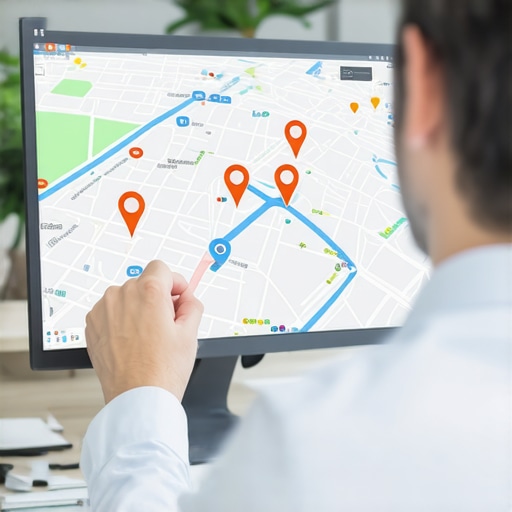
Ever spent hours trying to figure out why your Saint Paul business isn’t showing up on Google Maps, only to realize it was a simple mistake? I remember the lightbulb moment when I first struggled with my own local listing. Despite putting in effort, my visibility remained stubbornly low, and I couldn’t understand why. It felt like shouting into the void. But here’s the thing — I wasn’t alone in this. Many local business owners face the same frustrating challenge: how to get noticed in a saturated market.
Why Your Saint Paul GMB Might Be Underperforming
When I started, I made the classic mistake of neglecting my Google My Business (GMB) profile. I thought just having a listing was enough. Turns out, optimizing that profile is a game-changer. According to recent studies, businesses that actively optimize their Google Maps presence see a dramatic boost in local traffic and customer inquiries. It’s like walking into a busy store with a clearly visible sign — people notice you. But the real question is: how do you do this effectively? That’s what I want to share today.
Is GMB Optimization Overhyped or Truly Worth It?
Early on, I was skeptical. I wondered if all the fuss about GMB optimization was just marketing hype. I spent hours trying to improve my listing, only to see minimal results. It wasn’t until I learned about the importance of consistency, quality photos, and accurate information that I started seeing real growth. Trust me, overlooking these details is a mistake many make, and it costs them dearly. For example, missing out on keywords in your business description can keep you invisible to local searches. Want to learn what really works? You can check out this comprehensive Saint Paul GMB guide.
Now, I know you’re probably wondering: what are the actual steps to dominate Google Maps in Saint Paul? Well, stay tuned. We’ll go through proven strategies that can transform your local visibility and attract more customers than ever before. Ready to stop playing hide and seek with local customers? Let’s dive in!
Get Your Profile Fully Filled Out
Start by ensuring every section of your GMB profile is completed meticulously. This includes your business name, address, phone number, website, hours, and categories. When I first claimed my listing, I overlooked the hours during a busy weekend, which led to missed calls. After updating this info, I saw a noticeable uptick in customer visits. Think of your profile as your digital storefront — make it inviting and complete. For detailed insights, check this Saint Paul GMB optimization guide.
Use Precise Business Categories
Choosing the right categories is like giving Google a clear roadmap of your services. I once selected broad categories like “Restaurant,” when I should have specified “Vegan Restaurant” or even more niche options. This precision helped my business appear in hyper-local searches. To maximize this, review your primary and secondary categories regularly and update them as your offerings evolve. Learn more about optimizing categories in this Saint Paul Google Maps tips article.
Upload High-Quality Photos and Videos
Visuals are your first impression. I once uploaded blurry photos, which made potential customers hesitate. After investing in good lighting and clear images, my engagement soared. Include photos of your storefront, interior, products, and team. Videos showcasing your services can also boost engagement. Remember, Google favors active profiles with fresh visuals. Use this Saint Paul local SEO tips for more visual strategies.
Encourage and Manage Customer Reviews
Reviews are social proof that build trust. I reached out to loyal customers post-visit, politely asking for reviews. One review even highlighted my prompt service, which attracted more clients. Respond to every review, positive or negative, to show you care. This engagement signals activity and relevance to Google, improving your ranking. For review collection best practices, see this Saint Paul review tips.
Leverage Local Keywords in Descriptions
Your business description should naturally include local keywords like “Saint Paul,” “Minneapolis,” or specific neighborhood names. I once stuffed keywords awkwardly, which hurt my credibility. Instead, I integrated keywords seamlessly into a compelling story about my services. This helped my profile show up in relevant searches. To refine your descriptions, consult this local SEO strategies guide.
Embed Google Maps on Your Website
Embedding a Google Map on your site not only improves user experience but also signals relevance to Google. I added a map with my business location on the homepage, which correlated with higher local rankings. Make sure the map is accurate and responsive. For technical guidance, see this local SEO tactics article.
Many business owners believe that simply having a Google My Business (GMB) listing guarantees visibility on Google Maps. While this is partially true, my experience shows that the real challenge lies in understanding the hidden nuances of optimization. One common myth is that more reviews automatically lead to higher rankings. In reality, Google prioritizes review quality and relevance over sheer quantity. Focusing solely on accumulating reviews without engaging with customers or managing feedback can backfire, as negative reviews or unaddressed concerns may harm your local reputation. For an advanced perspective, check out this Saint Paul local SEO strategies to ensure you’re not falling prey to superficial tactics.
Why do some businesses see quick spikes in visibility only to fall back?
This often occurs because of neglecting ongoing profile maintenance. Google favors profiles that stay active and relevant. An often overlooked aspect is the importance of local keywords embedded naturally within your profile description. Stuffing keywords might seem tempting, but it can lead to penalties or reduced credibility. Instead, integrating keywords seamlessly into your narrative demonstrates authenticity and boosts local relevance. According to a recent study by Moz, consistent and contextually relevant content significantly influences local search rankings. So, avoid quick fixes and focus on sustainable, nuanced optimization practices.
Have you ever fallen into this trap? Let me know in the comments. Remember, mastering Google Maps ranking involves more than the basics — it’s about understanding and implementing advanced strategies that align with Google’s evolving algorithms. For comprehensive guidance, explore this Saint Paul Google Maps tips and stay ahead of the curve.
Keeping your Google Maps rankings healthy over time requires more than just initial optimization; it demands consistent effort, the right tools, and a strategic approach. As someone deeply involved in local SEO, I’ve found that leveraging specific software and methods makes maintaining your visibility much more manageable and effective.
Automate Your Review Monitoring
Reviews are a cornerstone of local reputation, but tracking them manually can be tedious. I highly recommend using reputation management tools like Podium or BirdEye. These platforms automatically notify you when new reviews are posted, enabling prompt responses. Responding quickly, especially to negative reviews, signals active engagement to Google and keeps your profile relevant. These tools also compile reviews across multiple platforms, saving time and ensuring no feedback slips through the cracks.
Regular Profile Audits with SEO Software
To ensure your profile stays optimized, I use BrightLocal or SEMrush for local SEO audits. These tools analyze your profile, highlighting missing information, outdated photos, or inconsistent NAP data. Regular audits help catch issues early, so your listing remains optimized according to the latest best practices. As local algorithms evolve, staying proactive means your business keeps climbing the ranks.
Content Updates Made Easy
Consistently refreshing your photos, posts, and offers is crucial. I use Canva for creating professional visuals quickly, which I upload directly to my GMB profile. For scheduling updates, tools like Hootsuite or Buffer allow me to plan visual content weeks in advance. This consistency keeps my profile active and signals to Google that my business is vibrant and relevant.
Tracking Performance and Adjusting Strategies
Data-driven decisions are key. I rely on Google My Business Insights combined with Google Data Studio dashboards to monitor traffic, calls, and direction requests. By analyzing this data regularly, I identify what’s working and where to improve. Over time, this feedback loop helps refine my approach, ensuring sustained growth in Saint Paul’s competitive local market.
What’s Next for Your Local SEO Maintenance
Looking ahead, I predict that AI-powered tools will become even more integral, offering predictive analytics and automated content suggestions. Staying ahead involves adopting these innovations early, much like how I integrated review and profile management tools into my routine. Start by trying out one of the tools I’ve mentioned today to see how they streamline your ongoing efforts. Remember, maintaining your Google Maps success isn’t a one-time task; it’s an ongoing process that rewards consistent, strategic action.
If you’re ready to take your local SEO to the next level, explore more advanced Saint Paul SEO strategies and keep your business thriving in Google Maps.
The Hardest Lesson I Learned About Local SEO in Saint Paul
One of the most eye-opening lessons I encountered was realizing that simply claiming your Google My Business listing isn’t enough. I initially thought that filling out basic info would do the trick, but I learned the hard way that ongoing optimization and engagement are what truly move the needle. This taught me that local SEO is a marathon, not a sprint, and consistency pays off.
Why Keyword Integration Is More Than Just Stuffing
Early on, I believed that cramming as many local keywords as possible into my profile would boost my visibility. I soon discovered that Google penalizes keyword stuffing, and relevance is key. Embedding keywords naturally within a compelling story about my services not only improved my rankings but also enhanced user experience. This was a lightbulb moment that changed my content strategy entirely.
Engaging Customers Actually Works—More Than I Thought
Getting reviews felt daunting at first, but I found that genuine engagement—responding to reviews and addressing concerns—significantly enhances credibility and rankings. I learned that reviews are social proof, but active management of feedback is what sets top local businesses apart. This insight pushed me to prioritize review management as a continuous effort, not a one-time task.
Curated Resources That Accelerated My Success
To deepen my understanding, I relied on tools like Saint Paul GMB optimization guide for foundational strategies, local SEO strategies for ongoing improvements, and SEO software like BrightLocal for audits. These resources helped me stay current with algorithm changes and refine my approach.
It’s Your Turn to Make a Difference
Mastering Google Maps visibility in Saint Paul isn’t about quick tricks; it’s about understanding and applying these lessons consistently. If you’re ready to elevate your local presence, start implementing these insights today. Remember, every small step adds up in the long run.
What’s the biggest challenge you’ve faced with your Google My Business profile? Share your experiences below—I’d love to hear your story!
This post really resonates with me, especially the emphasis on ongoing profile updates and engagement. I’ve learned that just claiming my Google My Business listing was never enough—staying active with regular updates, responding to reviews, and optimizing my profile has made a noticeable difference in local visibility. I agree that visual content, like high-quality photos and videos, significantly boosts engagement. When I started posting more regularly with fresh visuals and encouraging reviews from satisfied customers, I saw a steady increase in foot traffic. However, balancing keyword relevance without stuffing still remains a challenge. How do others ensure that their business descriptions remain natural yet optimized? I’d love to hear tips or tools that help craft compelling, keyword-rich content that doesn’t compromise authenticity.
This article hits close to home for me. When I first started managing my local business’s GMB profile, I underestimated the power of consistent updates and engagement. I used to think that just filling out my info was enough, but I quickly realized that neglecting ongoing optimization can really hurt visibility. I’ve found that responding to reviews not only builds trust with customers but also signals activity to Google, which helps improve rankings. Sharing fresh photos weekly and updating my service descriptions with local keywords in a natural way has made a noticeable difference. One challenge I still face is balancing keyword optimization with maintaining a genuine, authentic tone—anyone have tips for seamlessly integrating keywords without sounding forced? Also, do you think using tools like SEMrush or BrightLocal is worth the investment for small business owners trying to stay on top of their SEO game? Would love to hear your experiences.
This post really hit home for me because I’ve experienced the same frustrations when trying to improve my local visibility on Google Maps. Ongoing profile management, especially keeping photos fresh and responding to reviews promptly, seems to make the most difference. I agree that many overlook the importance of subtle but consistent keyword integration — it’s a balancing act but so worth it. I started using a simple tool like BrightLocal for audits, and it’s helped me catch small issues before they turn into bigger problems. Has anyone else found success with different software solutions that provide a clear ROI? Also, I’ve found that sharing stories or behind-the-scenes glimpses works well when integrating local keywords naturally. Curious, what’s been your biggest challenge with maintaining local SEO momentum over time? Would love to hear more about strategies that keep your profile vibrant and updated without becoming a chore.
This post really hits the mark on the importance of ongoing optimization for Google My Business profiles. I’ve seen firsthand how regular updates, engaging visuals, and responding to reviews can dramatically influence local visibility. When I started paying closer attention to my profile’s details—adding high-quality photos, updating my hours seasonally, and actively encouraging reviews—I noticed a tangible uptick in customer inquiries. One thing I’ve struggled with is balancing local keyword integration naturally within descriptions without sounding forced, especially when trying to optimize for multiple services. Have others found effective ways to weave keywords seamlessly into their content while maintaining authenticity? Also, I’ve been curious about the best tools for monitoring reviews efficiently—seeing recommendations like Podium or BirdEye makes me think about investing further in reputation management tools. Would love to hear what has worked well for other small business owners in Saint Paul.
This post really resonated with me because I’ve learned firsthand how easy it is to overlook the details that make a big difference in local SEO. I agree that ongoing profile maintenance and engagement are crucial. When I started actively managing my Google My Business profile—responding to reviews, updating photos regularly, and refining descriptions with local keywords—I saw a noticeable boost in local inquiries. I think many small businesses underestimate the power of visual content; high-quality, fresh images really do attract more clicks and foot traffic over time. One challenge I’ve faced is creating natural-sounding descriptions that include keywords without sounding stuffed. Do others have tips on balancing that? Also, I wonder how many business owners are utilizing tools like BrightLocal or SEMrush for audit purposes—are they really worth the investment for small businesses striving to stay competitive? Would love to hear what has worked best for others in Saint Paul!
This article offers some invaluable insights into the continuous nature of local SEO efforts, especially for a competitive market like Saint Paul. I’ve noticed that even small, consistent actions like updating photos or responding promptly to reviews can have a cumulative impact over time. It’s interesting to see how many businesses overlook the subtle but powerful effect of embedding local keywords naturally within descriptions and posts—that organic integration seems to resonate well with both customers and search engines alike. One challenge I face is developing authentic content that includes these keywords without sounding forced or overly optimized. Do others have techniques or tools they use to strike that balance? Also, leveraging reputation management platforms like BirdEye has helped me stay on top of reviews efficiently, ensuring I respond promptly. Have any of you experimented with AI content tools to generate local-centric posts? If so, did it help maintain a steady flow of fresh content without feeling unnatural? Would love to hear more tips from fellow Saint Paul entrepreneurs on keeping their profiles vibrant long-term.