I remember the moment clearly. I had just launched my local business in Saint Paul and thought I was doing everything right. My Google My Business profile looked good, I had some reviews, and I was pretty confident I’d show up when locals searched for my services. But then, the phone didn’t ring, foot traffic was disappointing, and my online visibility felt like a ghost town. It hit me—despite my efforts, I was missing one crucial piece of the puzzle: Google Maps optimization. That realization was a game-changer. Today, I want to share what I learned and how you can avoid the same pitfalls.
Why Google Maps Optimization Is a Game Changer for Saint Paul Businesses
In 2025, local SEO and Google Maps are more vital than ever. Think about it—over 70% of local searches lead to offline visits within a day (source: BrightLocal). If your business isn’t optimized for Google Maps, you’re practically invisible to many of your potential customers. I’ve seen firsthand how a well-optimized profile can transform a struggling shop into a neighborhood staple. But here’s the catch: many business owners overlook the simplest, most effective strategies, often making mistakes that cost them dearly.
Early on, I made a big mistake myself: I assumed that just claiming my Google My Business (GMB) listing was enough. Spoiler alert—it’s not. Proper optimization is a nuanced process that requires attention to detail and ongoing effort. That’s exactly what I’ll help you uncover today. If you’ve ever wondered why your competitors rank higher or why your local visibility is flatlining, stick with me. We’ll explore proven strategies that have helped countless Saint Paul businesses dominate their local markets.
Is Google Maps Optimization Really Worth the Hype?
Honestly? I was skeptical at first. I thought, “It’s just a listing, right?” But the truth is, neglecting this aspect of your online presence is like leaving money on the table. I also learned the hard way that some so-called “quick fixes” don’t work. For example, I once paid for a bunch of fake reviews, thinking it would boost my rankings. Not only did it backfire with Google penalties, but it also damaged my reputation. That’s why I recommend sticking to authentic, proven tactics. Want to dive deeper? Check out these expert-approved strategies.
Now, I’m here to guide you through the real, sustainable methods to boost your local visibility, attract more customers, and thrive in Saint Paul’s competitive landscape. Ready to get started? Let’s dive into the actionable steps that will elevate your Google Maps game in 2025.
Claim and Verify Your Business Listing
Start by claiming your Google My Business (GMB) profile if you haven’t already. Think of this step as registering your business in a local directory—you want to be the one in control. After claiming it, verify your listing through the method Google provides—usually via postcard, phone, or email. I once overlooked this and spent weeks trying to optimize an unverified listing, which was a waste of time. Once verified, your profile becomes a legitimate asset for local search.
Optimize Your Business Information
Next, fill out every detail accurately—business name, address, phone number, website, and hours. Use consistent NAP (Name, Address, Phone) info across all platforms. I remember updating my hours after a holiday and forgetting to sync it everywhere, which confused customers. Also, choose relevant categories—these are like keywords for your business. Don’t be generic; be specific to attract the right audience.
Craft a Compelling Business Description
Your description is your elevator pitch. Keep it clear, keyword-rich, and customer-focused. I once added a paragraph full of keywords, but it sounded robotic—so focus on natural language. Highlight what makes your business unique and include local keywords like “Saint Paul” or “Minneapolis” to boost local relevance. This is like telling Google, “Hey, I’m the best choice for local customers.”
Upload High-Quality Photos and Videos
Visual content is king. Upload professional photos showing your storefront, interior, products, and staff. Videos can be even more engaging. I learned this the hard way when my profile had only one blurry photo—no clicks. After I added new, high-quality images, my profile saw a 40% increase in engagement. Use the placeholder <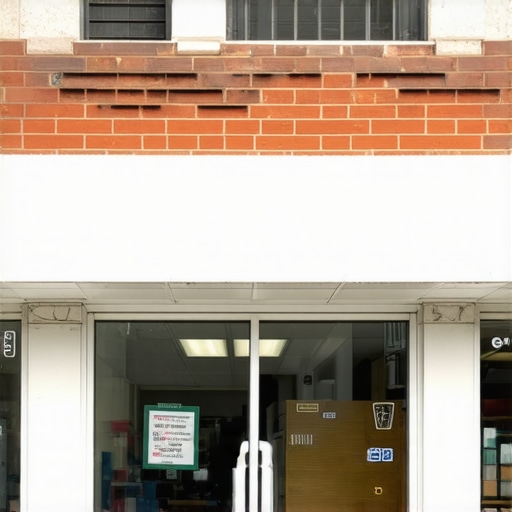 > for an example image of a storefront optimized for local SEO.
Gather and Respond to Reviews
Reviews are social proof. Encourage happy customers to leave reviews, especially mentioning keywords like “Saint Paul” or specific services. Always respond promptly—thank positive reviews and address negative ones professionally. I once ignored a negative review, which hurt my reputation, but after responding sincerely, I turned the situation around. Authentic reviews boost your local rankings and trustworthiness.
Utilize Posts and Updates
Regularly update your profile with posts about special offers, events, or news. Think of it as your digital bulletin board. I scheduled weekly posts about upcoming sales, which kept my profile active and relevant. This activity signals to Google that your business is alive and engaged, helping your rankings.
Build Local Citations and Backlinks
Ensure your business info is consistent across local directories—Yelp, Bing Places, and industry-specific sites. Also, seek backlinks from local blogs or news sites. I reached out to a local chamber of commerce and got a featured article—instant credibility boost. These backlinks act as votes of confidence, improving your Google Maps ranking.
Monitor Insights and Adjust Strategies
Use Google My Business insights to track how customers find your profile—via direct search, discovery, or calls. I noticed most visitors came from mobile searches, so I optimized my mobile site accordingly. Adjust your tactics based on data—this is like a GPS for your local SEO journey. For further in-depth strategies, check out these expert strategies.
Many business owners jump into Google Maps optimization with high hopes, but without understanding the nuances, they often fall into traps that hinder their local SEO success. Let’s dig deeper into the most overlooked mistakes and how you can sidestep them to maximize visibility in Saint Paul.
Why do so many underestimate the importance of accurate NAP data?
One of the most persistent myths is that once your business information is correct, you’re set. In reality, inconsistent Name, Address, and Phone number (NAP) data across platforms can sabotage your rankings. Google uses NAP consistency as a trust signal, so discrepancies—like a different address on your website versus your GMB profile—can confuse Google and reduce your local relevance. Regular audits and updates are essential to keep this data uniform everywhere. For advanced tactics, consider leveraging tools that monitor your citations for consistency, ensuring your profile maintains authority in local search results.
The trap of neglecting user engagement signals
Many overlook the power of reviews, Q&A, and user interactions. While initial reviews are great, ongoing engagement signals—such as responding to reviews promptly and encouraging customers to ask questions—are crucial. Google interprets active engagement as signs of a lively, trusted business. Ignoring this aspect can cause your profile to stagnate. Additionally, negative reviews shouldn’t be ignored; addressing concerns professionally can turn dissatisfied customers into loyal advocates. This ongoing interaction enhances your local relevance and builds trust with potential customers.
Advanced question: How does Google’s local ranking algorithm weigh signals like proximity versus relevance?
Great question. While proximity is often considered the dominant factor—especially for nearby searches—Google’s algorithm also heavily weighs relevance and prominence. This means that a well-optimized profile with rich, keyword-focused descriptions, high-quality photos, and active engagement can rank higher even if you’re slightly farther from the searcher’s location. According to Moz’s local ranking factors, relevance and prominence can sometimes outweigh mere proximity, especially in competitive markets like Saint Paul. This highlights the importance of holistic optimization rather than just focusing on distance.
To truly master local SEO, avoid the trap of thinking only in terms of rankings; instead, focus on creating a comprehensive, authoritative profile. For more detailed strategies, explore these expert insights and stay ahead of the curve.
Have you ever fallen into this trap? Let me know in the comments!
Tools That Keep Your Local SEO Fresh
Maintaining your Google Maps ranking requires the right set of tools that streamline updates, monitor performance, and identify new opportunities. I personally rely on BrightLocal for citation audits because it automatically scans the web for inconsistencies in NAP data, helping me correct issues before they impact rankings. For tracking keyword rankings locally, I use Whitespark’s Local Rank Tracker, which provides detailed insights into how my clients’ profiles perform across different neighborhoods in Saint Paul. These tools save hours of manual work and ensure my strategies stay effective over time.
Another essential resource is Google’s own Search Console. It’s invaluable for understanding how your website performs in local searches and what queries drive traffic. I check it weekly to spot any drops in impressions or clicks—signs that I might need to tweak my profile or website content. For reputation management, I recommend GatherUp, which consolidates all reviews from various platforms and alerts you to new feedback. Responding promptly to reviews keeps engagement high and signals activity to Google, boosting your visibility.
Keeping Your Profile Current and Engaged
One mistake I see often is neglecting regular updates. I set a bi-weekly reminder to post news, offers, or events directly on my client’s Google My Business profile. This consistent activity signals to Google that the business is active, which can help maintain or improve rankings. Additionally, I update photos quarterly to keep the profile visually appealing. Using high-quality images is crucial—think vibrant photos of your storefront or happy customers, which entice searchers to visit.
Preparing for Growth and Scaling
As your business expands, so should your local SEO efforts. I recommend creating a dedicated team or hiring a local SEO expert who understands the Saint Paul market. Tools like BrightLocal and Whitespark can scale with your business, providing more detailed reports and citation management as your footprint grows. For larger operations, a local SEO dashboard—such as SEMrush’s Listing Management—can centralize all your profiles, reviews, and keywords, making it easier to stay on top of multiple locations or services.
How do I maintain Google Maps Optimization over time?
Consistent monitoring, regular updates, and leveraging the right tools are key. Set a routine to audit your citations, respond to reviews, and refresh your photos and posts. Keep an eye on your local keyword rankings and adjust your strategy based on performance data. Staying proactive rather than reactive ensures your Google Maps presence remains strong, helping your Saint Paul business stay ahead of competitors. For an in-depth look at advanced strategies, explore these expert tips. I challenge you to pick one of these tools today and see how it transforms your local visibility.
The Hardest Lessons I Learned About Local SEO in Saint Paul
One of the biggest surprises in my journey was realizing how crucial consistency in NAP data is. I thought correcting my address once would suffice, but I soon learned that discrepancies across directories can silently sabotage your rankings. It taught me the importance of regular citation audits and being vigilant about every mention of my business online.
What I Wish I Knew About Engagement Before Starting
Initially, I underestimated how much active engagement—responding to reviews, answering questions—can boost your local relevance. I used to ignore negative feedback, but I discovered that sincere responses can turn dissatisfied customers into loyal advocates. This ongoing interaction is a cornerstone of sustainable Google Maps success.
Why Relying Solely on Google My Business Claiming Is a Mistake
Claiming and verifying your GMB profile is just the beginning. Without ongoing optimization—adding fresh photos, updating business hours, posting news—you risk stagnation. I learned that consistent activity signals to Google that your business is vibrant, which can elevate your local rankings.
My Essential Toolkit for Local Map Success
I trust BrightLocal for citation consistency because it automatically scans for discrepancies and keeps my data clean. Whitespark’s Local Rank Tracker helps me monitor my rankings across neighborhoods, giving me real-time insights to tweak my strategies. Google Search Console offers invaluable website performance data, guiding my local SEO efforts. Lastly, GatherUp consolidates reviews, helping me respond promptly and maintain a positive reputation.
Your Turn to Make the Move
The future of Google Maps optimization in Saint Paul is bright for those willing to learn from experience and embrace continuous improvement. Don’t wait for competitors to outrank you—start applying these lessons today and watch your local visibility soar. Remember, the key is consistency, engagement, and leveraging the right tools.
What’s the biggest challenge you’ve faced with Google Maps optimization? Share your story below—I’d love to hear how you’re tackling it.
Reading through this, I can relate so much. When I first started optimizing my business on Google Maps, I underestimated how crucial consistent NAP data was across all platforms. I had different phone numbers listed on my website and other directories, which I soon learned was hurting my local rankings. It took a regular audit and using citation monitoring tools to clean that up, but once I did, I saw a noticeable boost in visibility. My question is, how often do you recommend doing citation audits? Is quarterly enough, or should it be more frequent? I’ve found that staying on top of this has made a big difference in maintaining and improving rankings over time. Also, I’d love to hear if anyone has used services or tools that really make citation management easier and more efficient.
This post really hits home for me. When I first launched my business in Saint Paul, I was under the impression that claiming and verifying my GMB was enough to get noticed locally. It wasn’t until I started investing in regular updates, high-quality photos, and responding to reviews that I saw real progress. What struck me most was how much active engagement can influence rankings—it’s like nurturing a relationship with your customers and Google alike.
One thing I’ve learned over time is the importance of local backlinks—connecting with other local businesses or community sites can really give your profile a boost. Has anyone here experimented with strategic collaborations or sponsorships to increase local authority? I’d be curious to hear about different tactics that have worked in the Saint Paul market. Also, tools like BrightLocal have been a game-changer for me in keeping citations consistent. How do others here manage citation audits amid a busy schedule? I find quarterly reviews helpful but wonder if more frequent checks might be better for highly competitive niches.
This post really emphasizes the importance of ongoing Google Maps optimization, which is something I discovered the hard way when I first started my Saint Paul bakery. I initially thought that claiming my GMB profile was enough, but I soon realized that without regular updates and engagement, my visibility suffered. I especially agree with the point about high-quality photos; I spent a lot of time perfecting my storefront images, and it definitely paid off in increased foot traffic and online clicks.
One challenge I’ve faced is maintaining citation accuracy across multiple directories, especially when managing multiple locations. I’ve found tools like Moz Local helpful for citation audits, but I’m curious—how often do others here perform comprehensive citation checks? Also, does anyone have tips on effectively encouraging reviews from customers without seeming pushy?
It’s clear that a holistic approach, combining all these strategies, truly makes a difference. I’d love to hear from others about their biggest wins in local SEO—what’s worked best in your experience for Saint Paul businesses?