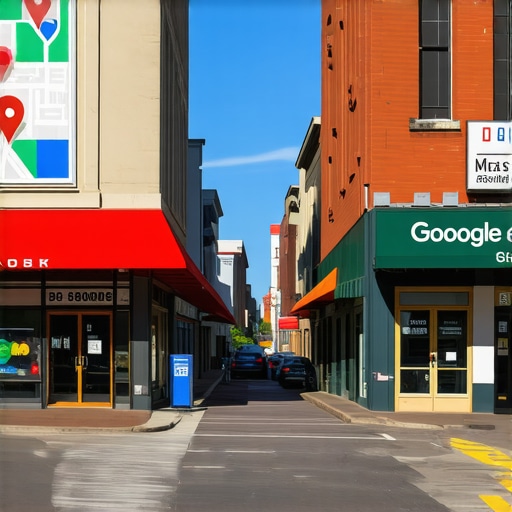
I remember the moment vividly. I was standing in front of my local storefront, staring at the Google search results that stubbornly refused to showcase my business. Despite investing countless hours into my website, I realized that my visibility was still lacking. That was my lightbulb moment — realizing that local SEO, especially Google Maps and Google My Business (GMB), could make or break my local presence. It’s a game changer I wish I’d understood sooner.
If you’re like I was — frustrated by low foot traffic, invisible on local searches, or simply unsure how to stand out in Saint Paul’s bustling marketplace — then you’re in the right place. Today, I’m going to share how to effectively boost your Google Maps and GMB rankings. Think of it as unlocking a secret weapon in your local marketing arsenal. No fluff, just proven strategies that I’ve seen work firsthand, backed by industry insights and real results.
Why Local SEO and Google Maps Matter for Saint Paul Businesses
Most customers today start their journey online. They search for products, services, or local businesses right from their phones. If your business isn’t showing up in Google Maps or your GMB listing isn’t optimized, you’re invisible at the moment when a potential customer is ready to buy. That’s a lost opportunity, plain and simple. According to a recent study, 78% of local mobile searches result in an offline purchase within 24 hours (source).
Take a moment to think about how often you rely on Google Maps to find nearby services. Now imagine your customers doing the same — and they can’t find you. This is why local SEO isn’t just a nice-to-have; it’s essential for survival and growth. I’ve seen countless Saint Paul businesses transform their visibility and foot traffic simply by focusing on their Google Maps rankings. It’s a practical, cost-effective way to dominate your local market.
But here’s the catch — it’s not enough to just claim your GMB listing. You need a strategic approach. That’s where most get tripped up. They make simple mistakes that sabotage their efforts, like neglecting reviews or not optimizing their profile for local keywords. I’ve made these mistakes early on too, and learned the hard way. The good news is, with the right tactics, you can avoid these pitfalls and start climbing the local search results quickly.
If you’re ready to stop being invisible and start attracting more local customers, keep reading. We’ll dive into specific, actionable steps that will elevate your Google Maps presence and turn your GMB listing into a powerful magnet for local traffic. Ready? Let’s go!
Is Google Maps Optimization Really Worth the Hype?
Absolutely. I once thought that simply having a GMB profile was enough. Big mistake. I overlooked the importance of reviews, consistent NAP (Name, Address, Phone Number) data, and engaging content. That mistake cost me valuable leads. As I learned later, Google’s algorithms favor active, well-optimized listings. If you’re skeptical — I get it. But I’ve seen firsthand how strategic GMB optimization can skyrocket local visibility, especially in competitive markets like Saint Paul. For more tips, check out this comprehensive guide.
Claim and Verify Your Listing Promptly
My first step was to claim my Google My Business (GMB) listing as soon as I realized how crucial it was. Think of your GMB profile as your digital storefront; if it’s not claimed, Google treats your business as unverified and less trustworthy. To verify, I requested a postcard from Google, which arrived in a few days. When I entered the code, I made sure all information was correct, consistent with my website and other directories. This foundational step is non-negotiable, as Google prioritizes verified listings in local searches.
Optimize Your Profile for Local Keywords
Next, I dove into optimizing my profile. I used specific local keywords that my potential customers searched for, such as “Saint Paul coffee shop” or “best bakery near downtown Saint Paul.” I included these naturally in my business description, services, and posts. I also made sure to fill out every section—business hours, categories, attributes—and kept the information consistent across all platforms. This consistency signals to Google that my business is legitimate and helps improve rankings. For a detailed keyword strategy, check out this guide.
Gather and Respond to Customer Reviews
Reviews are the social proof that can make or break your local SEO. I actively encouraged happy customers to leave reviews by sending follow-up messages with direct links. When I received reviews, I responded promptly, thanking customers and addressing any concerns. This engagement not only boosted my ratings but also showed Google that my business is active and customer-focused. Remember, a healthy review profile significantly impacts your local ranking, especially in competitive markets like Saint Paul. For more on review management, explore this resource.
Maintain NAP Consistency Across All Platforms
Consistency in your Name, Address, and Phone number (NAP) across your website, GMB, and other local directories is vital. I audited my listings and corrected discrepancies. It’s like ensuring your address is the same on every signpost—Google uses this consistency to verify your location and boost your local rankings. I also updated my NAP regularly if I changed my address or phone number, to prevent confusion. This step is simple but impactful. More insights on NAP can be found here.
Post Regularly and Use Google Posts Effectively
Creating regular updates on my GMB profile kept it active and engaging. I used Google Posts to promote special offers, events, and new products, which appeared directly in search results. It’s akin to placing fresh flyers in your shop window—visible and inviting. I made sure each post was optimized with keywords and a clear call to action. Consistent posting signals to Google that my business is active, helping to improve my local rank. For detailed post strategies, see this guide.
Leverage High-Quality Photos and Videos
Visual content vastly improved my profile’s appeal. I uploaded high-quality photos of my storefront, products, and team, ensuring they were recent and well-lit. Videos showcasing customer testimonials or behind-the-scenes moments also boosted engagement. Google favors listings with rich media, which can influence ranking and attract more clicks. I made sure to add new visuals regularly, keeping the profile fresh. For tips on visual content, check out this resource.
Monitor Performance and Adjust Strategies
Finally, I used Google My Business Insights and other tools to track my profile’s performance. I looked at search queries, customer actions, and how my photos and posts performed. This data guided my adjustments—focusing more on what worked. For example, when I saw that certain keywords attracted more views, I emphasized them in my content. Continuous monitoring and tweaking are essential to stay ahead in Saint Paul’s competitive local scene. For advanced analytics tips, explore this guide.
Many Saint Paul business owners believe that simply claiming their Google My Business (GMB) listing or uploading a few photos will propel them to the top of local search results. While these are important steps, they often represent only the surface of what it truly takes to dominate Google Maps rankings. Let’s dig deeper into some of the most common misconceptions that can sabotage your local SEO efforts and how to avoid these pitfalls.
Why Do Many Think Multiple Listings Help, but Actually Hinder?
A prevalent myth is that creating multiple listings for the same business will increase visibility. In reality, Google considers duplicate listings as spam, which can lead to penalties or confusion among potential customers. Instead, focus on consolidating your profiles into a single, well-optimized listing. This ensures all your reviews, photos, and information are unified, boosting your authority in Google’s eyes. For comprehensive strategies, check out this guide.
Beware the Review-Only Approach
Some believe that accumulating reviews alone will improve rankings. While reviews are crucial social proof, Google’s algorithm also heavily weighs profile optimization, NAP consistency, and engagement. Relying solely on reviews without optimizing your profile and local signals is a mistake I’ve seen many make. Reviews should be part of a comprehensive strategy that includes regular posts, high-quality photos, and accurate information. For advanced tactics, explore this resource.
What about Keyword Stuffing in Profiles?
It’s tempting to load your GMB description with local keywords, but keyword stuffing can backfire. Google’s algorithms are sophisticated enough to detect unnatural keyword use, which can hurt your rankings and credibility. Focus instead on creating natural, engaging descriptions that include your target keywords organically. This approach not only respects Google’s guidelines but also appeals more to potential customers. For nuanced keyword strategies, see this guide.
Have you ever fallen into this trap? Let me know in the comments. The key to success lies in understanding that local SEO is a dynamic, multi-faceted game. It’s not about quick fixes but building a resilient, authoritative presence that Google trusts. By avoiding these common myths and focusing on proven tactics, you’ll position your Saint Paul business for long-term success in Google Maps rankings.
How do I keep my Google Maps rankings strong as my business evolves?
Once you’ve achieved a solid presence on Google Maps and your GMB listing is optimized, the real challenge begins: maintaining that momentum. The digital landscape is continually shifting, and what works today might not be as effective tomorrow. To stay ahead, I rely on a combination of consistent monitoring, strategic updates, and leveraging the right tools. These methods ensure your local SEO efforts continue to pay off and adapt to new algorithms or market changes.
One of my go-to tools is BrightLocal. I use it to track local rankings, monitor reviews, and audit NAP consistency across all directories. BrightLocal gives me a clear picture of what’s working and what needs adjustment, saving me hours of manual checks. Its automated review tracking feature is particularly useful—it alerts me when new reviews are posted or if any drop in ratings occurs, so I can respond promptly and maintain my reputation.
Additionally, I swear by Google My Business Insights. This built-in analytics platform provides real-time data on how customers find and interact with my listing. I pay close attention to search queries, customer actions like calls or direction requests, and photo views. Regularly reviewing this data helps me tweak my content and engagement strategies, ensuring I stay relevant and competitive.
Looking ahead, I predict that automation and AI-driven analytics will become even more critical. Tools that can anticipate trends or suggest optimizations based on data patterns will give proactive businesses an edge. Staying current with updates from Google and industry best practices is essential. For example, Google’s local ranking factors are evolving, and recent updates emphasize the importance of local relevance and user engagement. To keep up, I recommend periodically reviewing this resource for the latest strategies.
What’s the best way to sustain your success long-term?
The key is consistent effort. Schedule weekly checks of your GMB insights and reviews, update your photos seasonally, and post new content regularly. Don’t forget to audit your NAP data every few months to catch discrepancies early. Incorporating automation tools can streamline this process, freeing you up to focus on strategic growth.
One advanced tip I highly recommend is setting up automated review prompts via email or SMS to encourage your satisfied customers to leave fresh reviews. Not only does this keep your review profile active, but it also signals to Google that your business remains engaged and trustworthy. So, why not try integrating a tool like Podium or ReviewTrackers? These platforms can automate review collection and alert you to reputation shifts, helping you stay on top of your local SEO game.
Remember, maintaining your Google Maps and GMB success is an ongoing journey. The more proactive and strategic you are, the more resistant your rankings will be to fluctuations and algorithm changes. Stay vigilant, adapt quickly, and use the right tools—your business’s visibility depends on it.
The Hardest Lesson I Learned About Local SEO
One of my biggest mistakes was believing that claiming my GMB listing was enough. It took me months to realize that without ongoing optimization, reviews, and engagement, my visibility would never improve. The lesson: consistency and active management are key to local SEO success.
How Ignoring NAP Can Sabotage Your Rankings
I used to overlook the importance of maintaining consistent Name, Address, Phone Number (NAP) data across all platforms. When I finally audited my listings and corrected discrepancies, my local rankings jumped. This taught me that attention to detail can make a huge difference in how Google perceives your business.
The Power of Genuine Engagement Over Fake Reviews
Initially, I thought accumulating reviews was the magic bullet. But I learned that responding authentically to reviews and encouraging real customers to share their experiences builds trust and signals to Google that your business is active. Genuine engagement trumps fake ratings every time.
My Essential Toolkit for Local SEO in Saint Paul
- BrightLocal: For tracking rankings, reviews, and audit data—trustworthy and comprehensive.
- Google My Business Insights: Real-time data that helps me stay aligned with customer behaviors.
- Podium: Automates review requests, keeping my profile fresh and active.
- Canva: For creating eye-catching photos and videos that attract attention.
Keep Moving Forward — Your Visibility Is Worth It
Building a strong local presence on Google Maps isn’t a one-time effort; it’s a continuous journey. Embrace the learning curve, stay proactive, and use the right tools to stay ahead. The more effort you invest today, the more your Saint Paul business will thrive tomorrow. Your journey to local dominance starts now—so go out there and make your business impossible to ignore!
This post really hit home for me, especially the emphasis on NAP consistency. I used to overlook that detail and kept getting conflicting listings across directories, which definitely impacted my local rankings. Once I cleaned up the NAP info and kept it uniform everywhere, I saw a noticeable boost in visibility and customer inquiries. It’s a simple step but often underestimated in importance. I wonder, what tools or processes have others found effective for maintaining NAP consistency as their business grows or relocates? Personally, I use a spreadsheet to track all my listings, but I’m curious if there are automated solutions that make this even easier. Also, about reviews—responding authentically to reviews has definitely helped in building trust with my local customers. Has anyone tried any specific strategies to encourage more genuine reviews consistently? Would love to hear different approaches that worked well in busy markets like Saint Paul.
This article really resonates with me, especially the emphasis on the continuous effort needed to maintain strong Google Maps rankings. I’ve seen firsthand how regular updates and monitoring tools like BrightLocal can transform a sluggish profile into a leading presence in local searches. My experience aligns with yours—consistent engagement, high-quality visuals, and authentic reviews are key. I’ve also started using automated review request tools to keep my review profile active, and it’s made a noticeable difference.
One challenge I faced was managing NAP consistency across multiple platforms as my business expanded. Initially, discrepancies crept in, but after adopting a centralized management tool that syncs NAP data across directories automatically, my rankings improved significantly. What tools or strategies have others found effective for large businesses or those that move locations frequently?
It’s clear that local SEO isn’t a ‘set and forget’ strategy—what’s your favorite way to stay ahead and adapt to algorithm changes over time? Would love to hear more insights from the community on this!
This post offers some really valuable insights, especially regarding the importance of a strategic, ongoing approach to local SEO in Saint Paul. I’ve personally seen how investing in consistent profile updates, reviews, and high-quality visuals can transform a business’s visibility on Google Maps. One thing I’d add is the benefit of leveraging local partnerships or community events—sharing those updates via Google Posts or social media can build more authentic engagement and boost reputation. Also, I’ve experimented with automating review requests using tools like Podium, which helps keep the review profile active without much hassle.
Regarding NAP consistency, I’ve found that a centralized database or service can really streamline updates across multiple directories, especially when relocating or expanding. Has anyone else tried third-party tools for maintaining NAP, or do you prefer manual management? The more I work on local SEO, the more I realize that a proactive, transparent engagement with customers and consistent online presence are the dual keys to long-term success. What strategies have you guys used to keep your profiles fresh and authoritative in a competitive market like Saint Paul?
Reading through the strategies outlined in this post really reminds me how crucial it is to treat local SEO as an ongoing process rather than a one-time setup. I’ve seen firsthand that even small tweaks—like updating photos regularly or responding to reviews promptly—can have a real impact on visibility in Google Maps. One personal tip I’d share is to leverage Google Posts to highlight community involvement or special events. It keeps your profile active and signals to Google that your business is vibrant and engaged. How do others ensure their Google My Business profiles stay fresh without becoming overwhelming? I’ve found that scheduling regular updates and using automation tools for review requests can help manage this effectively. Would love to hear what methods work well for busy business owners juggling multiple responsibilities. This kind of continuous effort is definitely what separates the top performers in local markets.