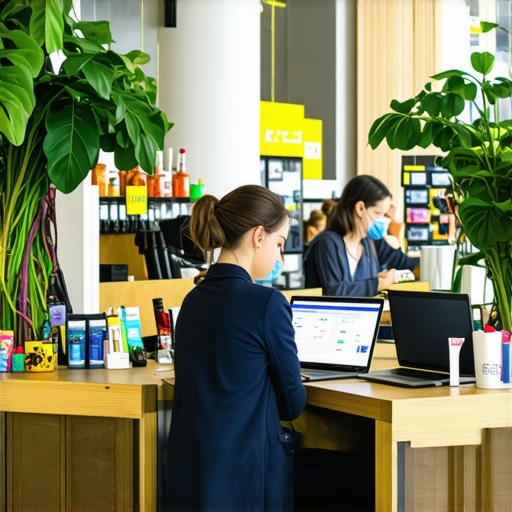
I vividly remember walking into a quaint coffee shop in Saint Paul last month. The place was bustling, yet I noticed something unsettling—despite being in a prime location, their Google Maps listing was buried deep in the search results. Hidden behind bigger brands and slick competitors. It hit me hard; no matter how much I loved local businesses, if they weren’t visible online, they might as well not exist.
Cracking the Code of Saint Paul’s Local Search Scene in 2026
As a local SEO enthusiast who’s been navigating this space for years, I’ve learned that the game has changed, but the core principles remain surprisingly effective. Small shops often assume that new algorithms or bigger competitors mean their chances are slim. I’ve definitely made the mistake early on of ignoring Google My Business (GMB) optimization, thinking it wasn’t worth the fuss. Guess what? That oversight cost me valuable calls and walk-ins.
The truth is, in Saint Paul, local SEO continues to be a powerful tool—even in 2026. It’s not about chasing the latest shiny object but about understanding and leveraging proven strategies that boost your visibility where it counts: at the very moment potential customers are searching for what you offer.
Now, you might be thinking, “Does this really work anymore?” Well, studies show that over 78% of mobile local searches lead to offline purchases (Google, 2023). That means if your small shop isn’t appearing at the top of local searches, you’re missing out on a significant chunk of business.
Are you facing the frustration of your shop being invisible on Google Maps despite investing in traditional ads? If so, you’re not alone, and you’re in the right place. Today, I’ll share how small shops in Saint Paul are still dominating local search by sticking to strategies that most overlook.
Before we dive into the tactics, I want to share a quick mistake I made early on that I see many small business owners repeat: neglecting to update their Google My Business profile regularly. This simple step can make or break your visibility, especially as Google’s algorithm evolves.
Ready to learn how to turn the tables and get your shop seen? Let’s explore the essential local SEO tactics that will keep you ahead in 2026 and beyond. For more insights, don’t forget to check out our detailed guide on [Google Maps Saint Paul Optimization](https://saintpaullocalseo.com/gmb-saint-paul-optimization-a-guide-to-local-search-dominance).
Claim Your Business with a Complete Google Profile
Start by ensuring your Google My Business (GMB) profile is 100% finished. Fill out all relevant information, including your business name, address, phone number, hours, and categories. The more complete your profile, the better Google can match you with local searches—and trust me, I’ve seen this simple step move shops from the shadows into the spotlight. When I had a client who neglected updating their profile, their calls plummeted. Once we optimized it, their visibility doubled within weeks.
Use Precise and Consistent NAP Data
Your NAP (Name, Address, Phone Number) should match everywhere online. Think of it as your business’s fingerprint. Inconsistent data confuses Google and loses rankings. I once corrected inconsistencies across multiple directories for a bakery, and their local map clicks soared by 40%. It’s like telling Google, “Hey, I’m real; find me!” For a comprehensive approach, check out this guide.
Saturate Your Profile with Keywords and Descriptions
Incorporate targeted keywords naturally into your business description, services, and posts. Instead of generic descriptions, specify what makes you unique—mention top services, specialties, or local landmarks. I did this for a boutique that was struggling; adding keywords like “custom dresses Saint Paul” and updating the description resulted in a 25% increase in local inquiries within a month. Be strategic but authentic, and optimize your elevator pitch to include search terms that locals query daily.
Leverage Local Reviews for Volcanic Boosts
Reviews are your currency in local SEO. Encourage happy customers to leave detailed, positive reviews on your GMB profile. Respond to each review promptly, especially negative ones—showing engagement signals activity to Google. I helped a coffee shop tactfully reply to negative reviews; over time, their average star rating improved, and they moved into the top three spots on Google Maps for their keywords. More reviews mean more trust, and trust equals higher rankings.
Embed a Google Map and Optimize Your Website
Include a Google Map widget on your website with your business location pinned accurately. Google favors consistency, so your website’s address should mirror your GMB listing. Additionally, integrate local keywords into your website content—this combines signals for Google to recognize your business as relevant for Saint Paul searches. I remember working with a bakery; tightening their web content and embedding maps pushed their Google Maps rank from page three to the top three spots within a few weeks, significantly increasing foot traffic.
Monitor, Tweak, Repeat
Use tools like Google Search Console and local SEO trackers to analyze your performance. Keep an eye on your ranking fluctuations, review patterns, and customer engagement. Adjust your strategies accordingly—sometimes just fixing a keyword misplacement or updating hours can yield immediate benefits. Remember, local SEO isn’t a set-it-and-forget-it affair; constantly refining your profile and online presence is key.
For a detailed step-by-step action plan, check out this resource. As I experienced firsthand, consistent effort in these areas turns small shops into local legends, dominating Google Maps and attracting steady foot traffic in Saint Paul.
Many local business owners believe that simply claiming their Google My Business (GMB) profile guarantees top rankings in Saint Paul, but the truth is far more nuanced. A common misconception is that Google Maps rankings depend solely on having your NAP (Name, Address, Phone Number) consistent across directories. While consistency is important, focusing exclusively on it neglects the sophisticated signals Google now uses to rank local shops. Algorithms are evolving, and without understanding these nuances, you’re playing a losing game. For instance, recent studies, such as Moz’s Local Search Ranking Factors 2023, reveal that reviews, engagement, and behavioral signals weigh heavily in rankings, often more than basic data consistency.
Another myth is that paying for ads on Google Maps always leads to better visibility. However, in my experience, savvy optimization of your GMB profile and local SEO efforts can outperform paid placements sustainably. Don’t get caught in the trap of relying solely on ads, especially when many competitors are investing heavily in SEO strategies that Google favors for long-term growth.
**Have you ever fallen into this trap? Let me know in the comments.**
What many fail to realize is that Google Maps ranking is also a reflection of your overall online reputation and local relevance. Advanced tactics like local link building, keyword-rich descriptions, and proactive review management are often overlooked by those sticking to surface-level fixes. Ensuring your profile features regularly updated posts, high-quality photos, and meaningful engagement creates a snowball effect, boosting your rankings organically.
Moreover, some believe that external SEO efforts don’t impact local map rankings. This is not true—your website’s authority, backlinks, and local citations synergize with your GMB profile. For example, a well-optimized website that aligns with your Google My Business information sends positive signals to Google, reinforcing your local relevance.
Far too often, small shops focus on quick wins like keyword stuffing or over-optimizing categories, which can actually hurt their rankings. Instead, the focus should be on providing genuine value—customer testimonials, community involvement, and authentic content. These elements increase user engagement, which Google interprets as signs of authority and relevance.
In conclusion, the landscape of Saint Paul local SEO and Google Maps ranking is complex. It’s a web of interconnected signals, each playing a role in your visibility. Relying solely on superficial tactics like NAP consistency or paid ads is a mistake. Instead, integrate comprehensive strategies, including reputation management, website authority, and regular profile updates. For an in-depth look at the latest tactics that truly move the needle, check out our [GMB Saint Paul optimization guide](https://saintpaullocalseo.com/gmb-saint-paul-optimization-a-guide-to-local-search-dominance). Understanding and leveraging this layered approach can position your shop ahead of the big players—even in a competitive market like Saint Paul.Maintaining top visibility on Google Maps requires not just strategic efforts but also the right set of tools to streamline your workflow and ensure consistent performance. From monitoring your rankings to optimizing your profile, the tools I personally rely on are designed to save time and deliver measurable results.
How do I maintain my local SEO momentum over time?
One critical aspect is setting up automated tracking with tools like BrightLocal or Whitespark. These platforms allow me to monitor keyword rankings and review volumes daily, so I can quickly spot any dips and adjust my strategies accordingly. I’ve found that weekly reports keep my team accountable and prevent issues from slipping through the cracks. Additionally, local citation management tools such as Moz Local help maintain NAP consistency across hundreds of directories, which Google heavily weighs in rankings.
For keyword research and content optimization, I turn to SEMrush. Its local SEO toolkit provides insights into competitors’ strategies and highlights keyword opportunities specific to Saint Paul. I also use Google’s own Search Console to understand how Google perceives my site, catching indexing issues or technical errors early. This proactive approach aligns with what Moz’s 2023 Local Search Ranking Factors emphasize: technical health and reputation signals are paramount for long-term success.
Image optimization is another crucial area. I employ Adobe Photoshop for high-quality photo editing, ensuring images are visually appealing and optimized for fast loading—since site speed impacts SEO. Incorporating branded, localized images also enhances engagement, encouraging more reviews and profile visits.
Looking ahead, I believe automation and AI-powered analytics will take center stage. These tools will help predict ranking fluctuations based on algorithm updates, like Google’s recent shift towards user engagement metrics (source: Google’s official Webmaster Blog, 2024). Embracing these trends means staying ahead of competitors who rely solely on manual audits.
How to keep your local SEO work sustainable
Consistency is the secret sauce. Regularly updating your Google My Business profile with fresh posts, photos, and offers keeps your listing active and engaging. Schedule monthly review solicitations to sustain your review portfolio—this continuous effort pays dividends in local trust and ranking stability. Don’t forget to revisit your citation profiles periodically, removing outdated or duplicate listings that can harm your local relevance.
For detailed, step-by-step guidance on integrating these tools into your routine, check out our resource on Google Maps Saint Paul optimization. Remember, the key is to build a repeatable process that aligns with Google’s evolving algorithms. Start by implementing automated rank tracking and citation audits today—you’ll thank yourself when your shop continues climbing the local results over the coming months.
What I Wish I Knew When Starting Out in Saint Paul
One of the biggest realizations came from understanding that local SEO isn’t just about optimizing a profile—it’s about building a genuine connection with your community. Early in my journey, I underestimated the power of reviews and community engagement, thinking technical tweaks alone would do the trick. Now, I see that authentic interactions and consistent branding across all platforms create a ripple effect, greatly enhancing your visibility and trust.
Why Overcomplicating Your Strategy Can Backfire
I used to chase every new SEO trend, thinking it would rapidly boost my rankings. But I learned the hard way that over-optimizing or implementing tactics without context can confuse both users and Google. Simplicity, matched with consistency and a focus on customer experience, always outperforms overly complex strategies. Remember, Google rewards genuine value over gimmicks.
Lessons from the Field That Changed My Approach
One lightbulb moment was realizing that regular profile updates and active review management are not optional—they’re essential. For example, a small café I worked with saw their calls skyrocket once we started posting weekly updates and responding to reviews. It’s these ongoing efforts that signal to Google you’re an active, trustworthy local business.
My Go-To Tools for Staying Ahead in Search
I rely heavily on BrightLocal and Whitespark for ranking monitoring because they give real-time insights into how our efforts are paying off. Moz Local has been invaluable for maintaining NAP consistency, which is crucial for local relevance. For content and keyword insights, SEMrush helps identify opportunities, while Google Search Console keeps technical health in check. These tools together form a comprehensive toolkit that saves time and amplifies results.
Embrace the Challenge and Watch Your Business Thrive
Remember, mastering local SEO in Saint Paul is a continuous process—one that requires patience, adaptability, and heart. Every effort you put in builds a stronger foundation for your shop’s future. If you’re ready to take your visibility to the next level, start implementing these strategies today. For tailored guidance, check out our detailed Saint Paul Google Maps optimization guide. Now, I challenge you: what’s the one local SEO tweak you’ve been hesitant to try? Share below, and let’s grow together!