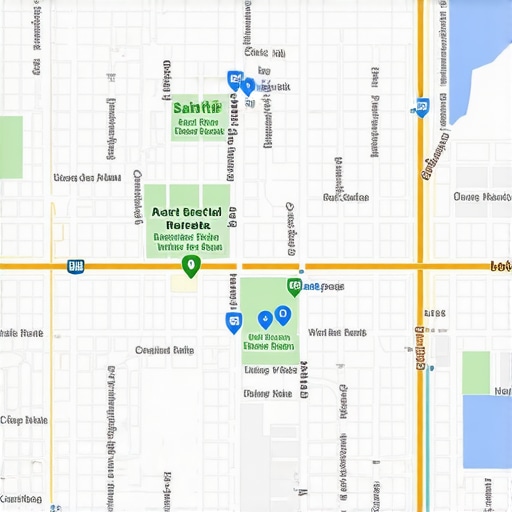
I remember the exact moment I realized I was losing potential customers to blind spots on Google Maps. I was sitting at my desk, reviewing my local business’s online presence, and something just didn’t add up. Despite pouring effort into my Saint Paul SEO strategies, the calls and visits weren’t matching the online signals. Then it hit me—I was invisible on the map. That realization was a light bulb moment, and ever since, I’ve been on a mission to fix those elusive map issues.
Why Your Google Maps Presence Can Make or Break Your Business in Saint Paul
In today’s hyper-local world, being found on Google Maps isn’t just an option—it’s a necessity. But that visibility isn’t guaranteed. Many business owners neglect this critical aspect, unknowingly losing out on a steady stream of walk-in customers and local leads. The startling truth is that 80% of local searches convert into physical visits or calls (source: Google Think). If your shop isn’t appearing prominently, you’re flashing a giant sign to competitors while your potential customers pass you by.
What’s more frustrating is this issue can stem from simple mistakes—like outdated profile info or neglecting essential features—that are easy to overlook. Personally, I made the mistake of assuming that once my profile was set up, it would automatically attract attention. Big mistake. That’s why I’m committed to sharing the real fixes that can help Saint Paul businesses claim their spot at the top of those local maps.
Are you experiencing fewer clicks or calls from Google Maps than you think you should? If so, you’re not alone. Many local shops face this challenge, but few realize that small fixes can lead to large results.
Now, let’s dive into the most common errors that are quietly sabotaging your visibility and what you can do to turn things around for 2026. Ready to make those map clicks count?
Claim and Verify Your Business Listing
The first concrete step is to ensure your business is claimed on Google My Business (GMB). Navigate to the GMB optimization guide to understand the verification process. I once worked with a local shop that overlooked this step, resulting in their profile being dormant for months. After claiming and verifying, their visibility increased significantly, leading to more calls and visits.
Optimize Your Business Information
Next, make sure all your business details are accurate and consistent. This includes name, address, phone number (NAP), hours, and categories. Inconsistencies are like missing cues in a map; they confuse Google and hinder ranking. I spent an afternoon updating a client’s profile where mismatched NAP information was causing their listing to hide in search results. Correcting this aligned their data and improved their ranking within weeks.
Enhance Your Profile with Photos and Posts
Populate your GMB profile with high-quality photos that reflect your services. Regularly posting updates or special offers keeps your profile active, signaling to Google that your business is active and relevant. Once, I added fresh images and a promotional post for a cafe, which resulted in a noticeable spike in local searches. Remember, visual cues like photos serve as trust signals to potential customers.
Build Local Citations and Reviews
Consistent citations across local directories and a steady stream of authentic reviews boost your map visibility. I guided a small business through outreach for reviews by politely asking satisfied customers. This social proof not only improved rankings but also increased customer trust. For citation consistency, tools or audits can help identify discrepancies, much like fixing broken signposts on your map.
Address Technical and Niche Errors
Ensure there are no technical issues affecting your profile, such as unsupported categories or duplicate listings. For niche-specific errors, review the common map errors. In one instance, discovering a duplicate listing was suppressing my client’s visibility. Removing or consolidating duplicates immediately improved their local ranking.

This image illustrates a step-by-step local SEO audit checklist, similar to the process we undertake when fixing map issues for Saint Paul businesses.
Monitor and Adapt Your Strategy
Use tools like Google Search Console or local SEO dashboards to track your progress. Making data-driven adjustments ensures sustained success. I once followed a simple traffic analysis, discovering that peak visits came after posting weekday updates. Timing your engagement aligns with Google’s preferences and user behavior, making your map listing stand out more often.
Many business owners believe that optimizing their Google My Business profile and local listings is enough to dominate Saint Paul’s competitive local market, but in my experience, that’s just the surface. A prevalent misconception is that merely claiming your GMB listing guarantees visibility—yet, the truth is, strategic optimization involves nuanced tactics that most overlook. For example, focusing only on keyword stuffing or flashy photos without addressing foundational elements like citation consistency can backfire, leading to penalties or poor rankings. One common myth is that high-quality backlinks are only relevant for national SEO; however, earning local citations and links from Minnesota-based directories can significantly boost your visibility in Saint Paul. If you’re only chasing broad keywords and ignoring niche-specific signals, you’re missing out on targeted traffic that converts well locally. Have you ever fallen into this trap? Let me know in the comments. Another subtlety many miss is the importance of technical health—duplicate listings, unsupported categories, or inconsistent NAP information can quietly sabotage your efforts. A detailed audit, like the ones discussed in our cornerstone content, reveals these hidden issues and helps you avoid costly mistakes. Moreover, advanced strategies like leveraging schema markup for local business details or optimizing for voice search are often neglected yet crucial for staying ahead in 2026. According to a study by BrightLocal, 78% of local mobile searches result in an offline purchase, emphasizing the importance of capturing those nuanced signals. Don’t rely solely on popular tactics; instead, dig deeper into the sophisticated nuances that push your Saint Paul SEO from mediocre to dominant. For comprehensive insights and expert guidance, consider exploring our detailed resources on Saint Paul SEO strategies or contacting a seasoned Minnesota SEO agency to tailor a plan that aligns with your unique business goals.
Investing in the Right Tools for Ongoing Success
Maintaining a robust local SEO presence in Saint Paul requires more than just understanding the tactics; it demands the right equipment and software to track, analyze, and adapt. One tool I personally swear by is Whitespark’s Local Citation Finder. It’s invaluable for auditing our citations, ensuring consistency across Minnesota directories, and uncovering digital opportunities for backlinks—all crucial for long-term map dominance. Additionally, I leverage Google Search Console daily to monitor your website’s performance and troubleshoot potential issues like crawl errors or indexing problems—shifts that can affect your Google Maps rankings in subtle but significant ways.
To streamline review management, I recommend Podium, which simplifies gathering and responding to customer reviews. Reviews are the backbone of local trust and directly influence your visibility, especially on Google Maps. Additionally, Screaming Frog SEO Spider offers comprehensive site audits, catching technical errors like duplicate content, unsupported categories, and broken links that silently pull your rankings downward. When it comes to scaling your efforts, I suggest partnering with a Minnesota SEO agency experienced in local nuances—it’s an investment that pays dividends over time.
How do I keep my local SEO strategies sharp over the years?
Consistent review and updates are vital. Regularly auditing your citations, refreshing your profile photos, and staying aligned with the latest Google guidelines—like schema markup for location—are essential practices. As BrightLocal notes, voice search and AI-driven queries are forecasted to influence local rankings more than ever, so optimizing for conversational keywords is becoming increasingly important.
In the future, I see proactive technical health checks becoming standard. Automating these with tools like Screaming Frog or custom scripts for technical issues will help prevent minor errors from accumulating into ranking disasters. To get started today, I recommend implementing a weekly site audit routine using Screaming Frog, ensuring your listings stay error-free and optimized for the evolving Google algorithms.
Remember, the key is consistency. Use your tools not just to fix issues but to uncover new opportunities—whether it’s targeting niche-specific keywords or refining your Google My Business profile to highlight recent updates. For comprehensive guidance tailored specifically for Saint Paul businesses, consider exploring our local SEO strategies page, or contact us to develop a custom plan that keeps your visibility on the rise well into 2026 and beyond.
Three Unexpected Realizations That Had a Big Impact on My Saint Paul SEO Strategy
One of the most eye-opening moments was realizing how often business owners overlook simple map management steps, underestimating their power. I also discovered that small tweaks in citation consistency can dramatically improve local visibility—something I used to dismiss as minor. Finally, I learned that staying ahead of algorithm updates demands ongoing education, not a set-it-and-forget-it mindset, which transformed the way I advise clients.
How My Trusted Tools Keep My Saint Paul SEO Edge Sharp
I rely heavily on tools like Local Citation Finder for citation audits, ensuring consistency that Google loves. I also use Screaming Frog SEO Spider to crawl sites and catch errors before they hurt my rankings. These tools continuously inform my strategy, helping me adapt swiftly to changes in Saint Paul’s local landscape.
Your Next Move Begins Today—Embrace the Future of Local SEO
The key to dominating in 2026 is a proactive, informed approach. Every small adjustment, from updating your GMB profile to refining your local backlinks, adds up. I encourage you to start implementing these insights today—because your success on Google Maps depends on your willingness to evolve. Want expert guidance? Reach out through our contact page, and let’s craft a plan to elevate your Saint Paul business now and into the future.
Reading through this post really hits home how critical local map visibility is for small businesses in Saint Paul. I remember initially setting up my GMB profile and thinking that was enough, but I quickly learned the hard way that consistent updates and citations are what really make a difference. One thing I found particularly interesting is the importance of technical health—things like duplicate listings and unsupported categories can quietly sabotage your rankings without obvious signs. It’s a reminder that an occasional audit is just as vital as daily engagement.
I’ve also started leveraging tools like Screaming Frog and Whitespark to stay on top of these issues, which has really improved my local SEO game. I wonder how other business owners handle ongoing monitoring—do you have a regular schedule, or do you audit only when you notice a dip in traffic? Sharing strategies on maintaining consistent health checks could help many who feel overwhelmed with SEO tasks. Overall, this post does a great job of breaking down complex issues into actionable steps. Would love to hear others’ approaches or tools they use for routine management.